Llaima Volcano
Chile
At a glance
Ideal for
All AgesStudentsGroups
Type
ArchaeologicalCulture & History ToursNature & Adventure Tours
Features
Cultural ExperienceNatureAdrenalineThe Local Experience
Price
$$$$ Premium
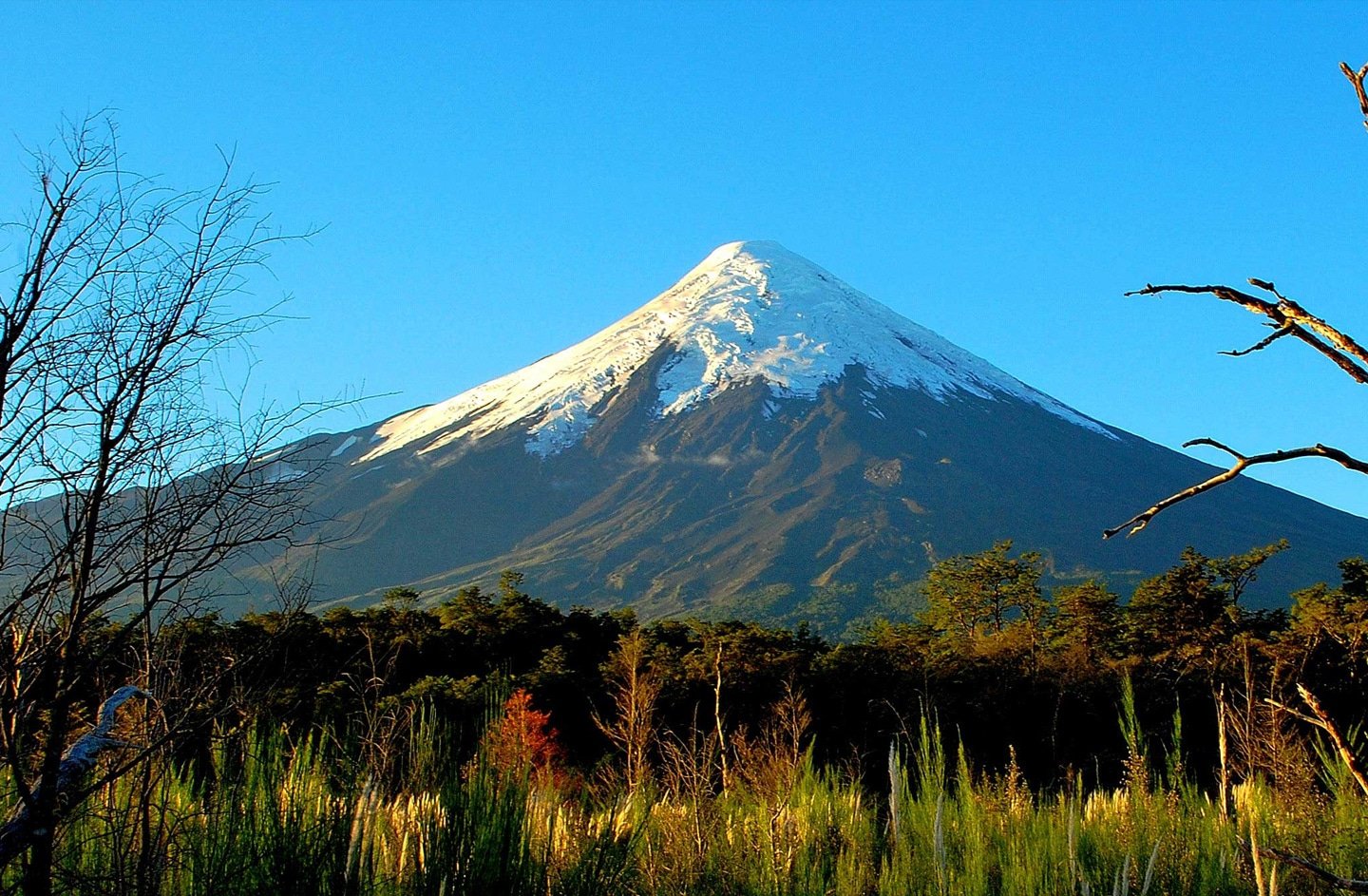
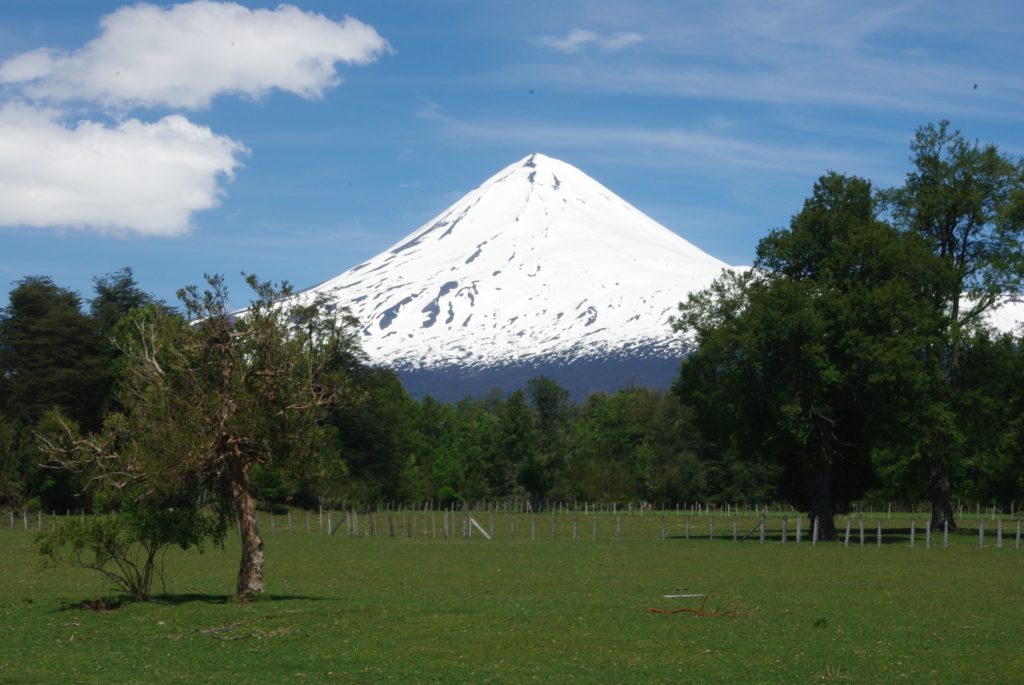
The Llaima is a volcano located in the Araucanía Region, Chile. Of relatively regular and symmetrical conical shape, classified as a stratovolcano, the Llaima has an altitude of 3,195 m. It is located in the pre-mountain range of La Frontera, 72 km northeast of the city of Temuco, from where it is visible.
The name comes from the Mapuche language, although there is some disagreement about its meaning since for some it means 'drainage' or 'ditch', in allusion to a large crack that appeared near the crater in the 1873 eruption, or according to other translations, 'veins of blood' or 'widower'. The Llaima is considered one of the most active in the country and in South America, with 23 major volcanic events during the 20th century, the last major one in 1994. On January 1, 2008, it erupted at 6:20 p.m. Chilean time, the first eruption of the century XXI.
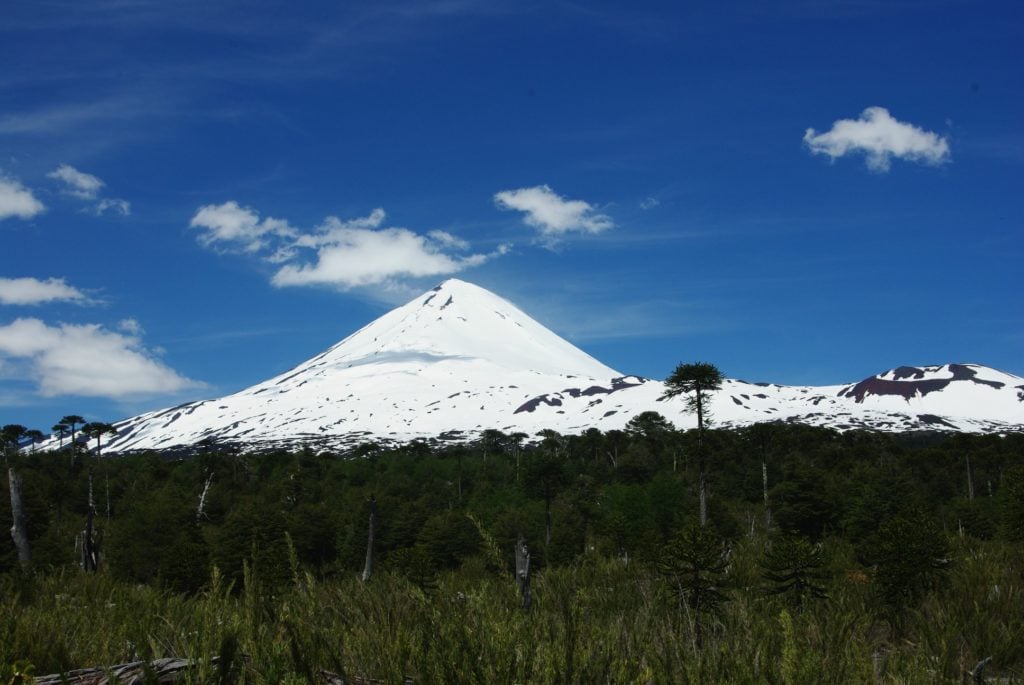
It is part of the Conguillío National Park, which stands out for its araucaria forests, which surround the numerous slag heaps that surround the volcanic cone. The scenic beauty of the Llaima has helped turn the area into a major tourist destination. On its western slope is the ski center Las Araucarias.
The name comes from the Mapuche language, although there is some disagreement about its meaning since for some it means 'drainage' or 'ditch', in allusion to a large crack that appeared near the crater in the 1873 eruption, or according to other translations, 'veins of blood' or 'widower'. The Llaima is considered one of the most active in the country and in South America, with 23 major volcanic events during the 20th century, the last major one in 1994. On January 1, 2008, it erupted at 6:20 p.m. Chilean time, the first eruption of the century XXI.
It is part of the Conguillío National Park, which stands out for its araucaria forests, which surround the numerous slag heaps that surround the volcanic cone. The scenic beauty of the Llaima has helped turn the area into a major tourist destination. On its western slope is the ski center Las Araucarias.